Survivors Should Feel That They Can
Claim the Word Rape If It’s Right for Them.
By Felice Munroe, Advocate
August 1, 2026
There is a particular kind of silence that follows sexual violence.
Not the silence of peace, but the silence of confusion. The silence of replaying moments over and over in your mind trying to determine if what happened to you was “bad enough” to count. The silence of wondering whether your pain is valid because your story does not resemble the versions of rape society has taught us to recognize.
For many survivors, one of the most painful parts of healing is not only surviving the assault itself but wrestling with the language afterward.
Was it rape?
Was it assault?
Was it coercion?
Was it abuse?
Was it “just a misunderstanding”?
Was it somehow your fault?
These questions haunt survivors for years.
And the truth is, many survivors are not struggling because they do not know something terrible happened. They are struggling because the world has taught them that only certain kinds of victims deserve to use certain words.
We live in a society that still imagines rape as a violent attack committed by a stranger hiding in darkness. But countless survivors were assaulted by people they knew. People they trusted. People they dated. People they loved. Some were manipulated. Some froze. Some said no repeatedly. Some could not say no at all. Some were intoxicated. Some were children trying to survive impossible situations. Some were too afraid to fight back because survival felt safer than resistance.
And because their experiences do not fit society’s narrow definition, many survivors spend years minimizing what happened to them.
Many people believe sexual violence only counts if someone fought back, screamed, or immediately recognized what happened. These myths can leave people questioning their own experiences and carrying blame that does not belong to them.
But trauma does not always scream. Sometimes trauma freezes. Sometimes it leaves the body numb and disconnected. Sometimes survival looks like going still.
As advocates, we often see how understanding trauma responses can help people make sense of what happened to them. We also see that there is no single way to talk about an experience of violence. Some people find certain words validating, while others need different language as they process and heal. That is the part people often miss: healing is deeply personal, and individuals deserve autonomy over their own stories. Whether someone chooses a specific label, avoids certain terminology, or is still making sense of their experience, respecting that choice is an important part of supporting healing and reducing stigma.
Some survivors may one day stand tall and say:
“Yes. I was raped.”
Others may never use that word at all.
Both deserve respect.
The problem is that society often acts as though survivors need permission before they can name their own pain.
Survivors are questioned constantly:
“Are you sure that’s what happened?”
“But you were dating him.”
“Why didn’t you leave?”
“Why didn’t you report it?”
“You went back afterward though.”
“Were you drinking?”
“Did you clearly say no?”
“Maybe they misunderstood.”
These questions do not simply seek information. They often communicate doubt. They force survivors into the exhausting position of defending their trauma to other people.
And what many people fail to understand is that survivors have usually already interrogated themselves far more harshly than anyone else ever could.
Many survivors carry years of shame because they did not fight back the way movies portray victims fighting. They wonder if freezing means they secretly wanted it. They question why their body complied when their mind was terrified. They blame themselves for not screaming, not leaving, not reporting, not remembering every detail perfectly.
Trauma survivors often become experts at minimizing their own suffering.
I think about another survivor who once told me:
“I can advocate for every other survivor except myself.”
That sentence broke my heart because it reflects the reality of so many people. Survivors will fiercely believe strangers while privately convincing themselves that their own experiences somehow “weren’t serious enough.”
But violation does not need to leave visible bruises to be real.
A person does not need to physically overpower you for it to count.
Consent given out of fear is not true consent.
Silence is not consent.
Freezing is not consent.
Coercion is not consent.
And survivors deserve the freedom to use language that reflects the truth of their lived experience.
For some people, saying “I was raped” feels devastating. It can make the experience feel painfully real in a way they spent years trying to avoid. But for others, claiming the word becomes part of reclaiming themselves. It becomes an act of honesty after years of denial. A declaration that what happened mattered. That it harmed them. That it should never have happened.
There is power in naming pain accurately when a survivor is ready.
Not because the word defines them, but because they deserve language that validates their reality instead of shrinking it.
As advocates, counselors, educators, friends, and loved ones, our responsibility is not to decide what label a survivor should use. Our responsibility is to create spaces where survivors feel safe enough to tell the truth without fear of judgment, interrogation, or dismissal.
Sometimes the most healing thing we can say to a survivor is:
“You are allowed to describe your experience in the way that feels right to you.”
Because after trauma has already stripped away so much control, survivors deserve ownership over their voices.
And whether a survivor whispers the word rape, says it boldly, avoids it completely, or takes years to arrive there, that choice should belong to them.
Join Us in Building Trauma-Responsive Communities
At SAOP, we believe that healing and change happen through collective effort. Whether you are a survivor, service provider, community leader, or ally, your involvement matters. Together, we can build trauma-responsive communities that honor survivor dignity, foster resilience, and create safer futures for all.
About the Author
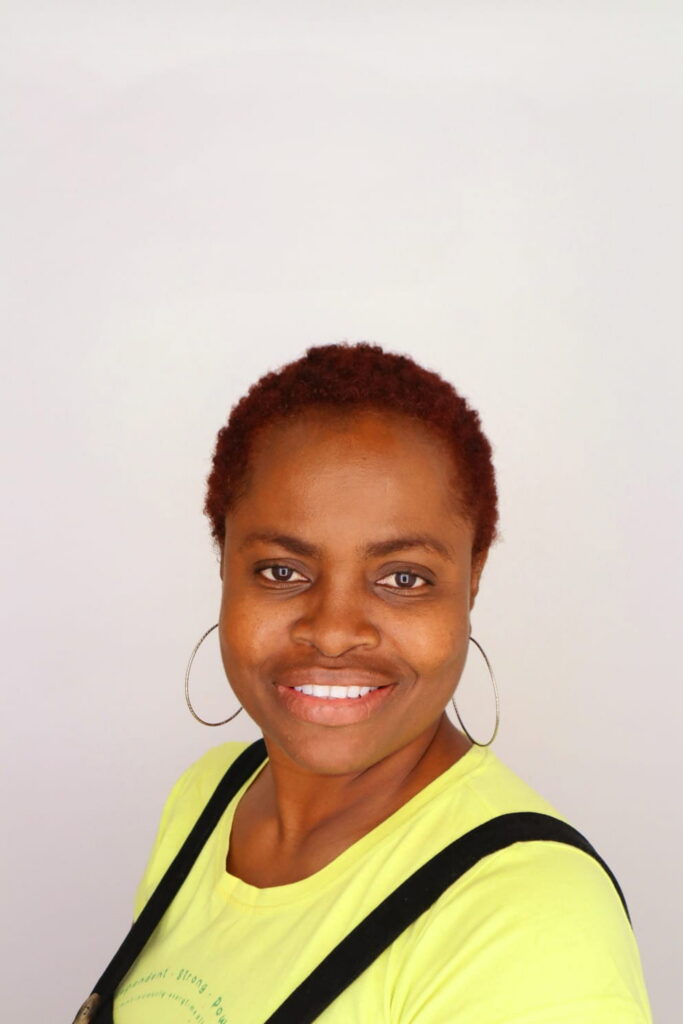
Felice Naomi Rosario Munroe is an advocate with the Survivor Advocacy Outreach Program (SAOP) in Athens, Ohio, where she provides trauma-responsive support and community education for survivors of domestic and sexual violence. She earned her Master of Arts in Latin American Studies from Ohio University, focusing on advocacy for women and girls, education, and violence prevention. Grounded in her lifelong commitment to advocacy, Felice works to build inclusive, survivor-centered spaces that foster healing and systemic change.