THE SHAME THAT WAS NEVER MINE
By Felice Munroe, Advocate
September 1, 2026
On surviving violence, carrying guilt, and learning to put down what was never ours to carry
There are some things a survivor learns to carry so quietly that, after a while, she forgets she is
carrying them at all. Shame. Guilt. Fear.
The constant question of whether she could have done something differently. Whether she
should have known. Whether she should have fought harder. Whether she should have left
sooner. Whether her silence meant consent. Whether the way she dressed, spoke, trusted, loved,
drank, stayed, returned, froze, or survived somehow made what happened to her less worthy of
being called violence. Sometimes the heaviest part of surviving is not remembering what
someone else did. It is remembering what you told yourself about it afterward. For a long time,
she believed shame was simply the price of surviving. She carried it into classrooms,
workplaces, relationships, doctor’s offices, friendships, and quiet nights when sleep would not
come. She became exceptionally good at appearing fine. She learned how to smile while hurting.
She learned how to say, “I’m okay,” when what she really meant was, “I don’t know how to
explain what is happening inside me.”
She became accomplished. Responsible. Helpful. Compassionate. The person other people could
depend on.
And perhaps that was part of the problem.
She became so good at caring for everyone else that no one noticed she had never quite learned
how to care for herself. She had spent years believing that if she could become good enough,
useful enough, successful enough, strong enough, perhaps the shame would finally leave. It
didn’t. Because shame is clever. It does not always tell you, You are worthless. Sometimes it
whispers something much more convincing: You should have known better. You let this happen.
You stayed. You trusted the wrong person. You didn’t say no loudly enough. You should have
fought. You should have left. You should be over this by now. And because survivors are so
often asked to explain their behavior instead of the perpetrator’s, shame finds fertile ground.
In the book, Beyond Survival: Strategies and Stories from the Transformative Justice Movement,
the authors explore the ways shame can become an identity rather than simply a response to
something we have done. The distinction matters. Guilt can say, I did something wrong. Shame
says, I am wrong. The difference between those two statements can be the difference between
healing and a lifetime spent trying to punish yourself for someone else’s violence. That
distinction stopped her one day. Not because the words magically erased the past. They didn’t.
But because for the first time, she wondered:
What if this shame was never mine?
What if she had been carrying something that belonged at the feet of the person who caused the
harm? What if the guilt she had spent years dissecting was actually evidence of how much she
cared about being a good person, not evidence that she had failed to be one? What if surviving
imperfectly was still surviving?
There is a particular challenge in being a survivor who works in advocacy. You learn the
language of trauma. You learn about safety planning, coercion, consent, trauma responses,
dissociation, victim-blaming, and the ways violence can rearrange a person’s understanding of
themselves. You learn how to sit beside someone in a hospital room when they are frightened.
You learn how to listen without asking the questions that make survivors feel responsible for
what happened. You learn how to say, “I believe you.” You learn how to tell another person,
“This was not your fault.” And sometimes, after saying those words to someone else, you return
home and realize you still do not believe them about yourself. That is one of the strangest
contradictions of surviving. You can become fluent in compassion for other people while
remaining painfully illiterate in compassion for yourself. She had sat with survivors who
trembled while telling their stories. She had watched people struggle to put words around
experiences they had spent years burying. She had witnessed the moment someone finally
realized that the thing they had been calling their fault had another name. Violence. Abuse.
Exploitation. Rape. Trauma. None of those words belonged to the survivor. Yet shame had
taught her to keep looking inward. So she began to ask different questions.
Not, Why didn’t I stop it?
But, Why was someone willing to hurt me?
Not, Why did I stay?
But, What made leaving difficult or dangerous?
Not, Why didn’t I tell someone?
But, What had the world taught me about what would happen if I did?
Not, What’s wrong with me?
But, What happened to me?
Those questions changed everything. Not immediately. Healing rarely happens like a movie,
with one beautiful revelation followed by sunlight and closure. Sometimes healing is much less
glamorous. Sometimes it’s waking up and realizing you slept through the night. Sometimes it’s
hearing a story that would once have shattered you and discovering that you can breathe through
it. Sometimes it’s setting a boundary and not apologizing afterward. Sometimes it’s realizing that
being alone does not mean being abandoned. Sometimes it’s allowing yourself to want things
again. Love. Marriage. Tenderness. A home. A safe bed beside another person. A life where
intimacy does not feel like surrendering ownership of yourself. And sometimes healing means
admitting that you want those things while also being terrified of them. Because survivors can
carry contradictory truths. She could desperately want love and still be afraid of being known.
She could long for partnership and still wonder what it would feel like to share her bed, her
space, her routines, her body, her life. She could want closeness and simultaneously crave the
safety of being alone. None of these contradictions made her broken. They made her human. For
years, she thought healing meant becoming the woman she had been before. Now she understood
that perhaps healing was not about going backward. Perhaps it was about becoming someone
new without abandoning the woman who had survived.
This is where transformative justice offers a different possibility. Transformative justice asks us
to imagine responses to harm that do more than punish. It asks what safety, accountability,
healing, and transformation might look like within communities, particularly when traditional
systems have failed survivors or created additional harm. The movement emphasizes addressing
the conditions that allow violence to occur while creating pathways toward accountability and
change. That does not mean minimizing what happened. It does not mean asking survivors to
forgive. It does not mean reconciliation. And it certainly does not mean placing the responsibility
for someone’s transformation on the person they harmed. For a survivor, transformative justice
can begin with a radical truth:
Your healing does not require you to carry the burden of fixing the person who hurt you!
Accountability belongs to the person who caused harm. Safety belongs to the survivor.
Healing belongs to the survivor. And community has a responsibility to stop making survivors
carry all three alone. Imagine a world in which a survivor does not have to disappear in order to
be safe. Imagine communities that know how to respond before a crisis becomes an emergency.
Imagine friends who do not simply say, “Let me know if you need anything,” but actually show
up. A meal. A ride. A phone call. A place to sleep. A person willing to sit quietly without
demanding details. Someone who remembers the appointment. Someone who says, “I believe
you,” and means it. Someone who does not disappear when the story becomes uncomfortable.
Because sometimes the wound after violence is not only what the perpetrator did. Sometimes it is
what happens afterward. The people who don’t call. The friends who become uncomfortable.
The people who say they support survivors but become strangely silent when the survivor is no
longer easy to be around. The communities that love the idea of healing but struggle with the
messiness of an actual human being trying to heal. A survivor can survive the violence and still
be wounded by abandonment. She knows this now. She knows that surviving did not make her
weak. It made her someone who understands the extraordinary cost of being left alone with pain.
And perhaps that is why she eventually found herself sitting beside other survivors. Listening.
Believing. Advocating. Not because she had somehow escaped the pain, but because she knew
what it felt like to wonder whether anyone would stay. She could not change what happened. She
could not go backward and place a protective hand on the younger version of herself. She could
not erase the nights she cried. She could not retrieve the years shame had taken. But she could
refuse to let shame write the ending. There is still grief. There are still moments when the old
questions return. Was it really that bad? Could I have done something differently? Why did I let
myself believe them? Why am I still affected? When those questions come now, she tries
something different. She answers herself gently. You were surviving. You were doing what you
knew how to do. You deserved safety. You deserved to be believed. You deserved tenderness. You
deserved a life untouched by someone else’s decision to cause harm.
And finally:
It was never your shame to carry.
Maybe that is what survival eventually becomes. Not forgetting. Not pretending. Not becoming
untouched by what happened. But learning to separate yourself from the story that violence tried
to write about you. You are not what happened to you. You are not the silence that followed.
You are not the fear. You are not the person who hurt you. You are not the shame. And you are
not the guilt. You are the person who remained. The person who got up. The person who kept
loving. The person who kept working. The person who kept believing that life could still contain
something beautiful. The person who, despite everything, still has the courage to imagine
tomorrow. And perhaps one day, when she looks back, she will not see a broken woman carrying
an unbearable weight. She will see a survivor finally setting it down. Not because it became
lighter.
But because she finally understood that it had never belonged to her in the first place.
Source of Inspiration:
My reflections on shame, accountability, and healing were informed in part by Beyond Survival:
Strategies and Stories from the Transformative Justice Movement, edited by Ejeris Dixon and
Leah Lakshmi Piepzna-Samarasinha. The collection explores transformative justice through
personal narratives, practical tools, and community-based approaches to violence, accountability,
and healing.
Reference
Dixon, E., & Piepzna-Samarasinha, L. L. (Eds.). (2020). Beyond Survival: Strategies and Stories
from the Transformative Justice Movement. AK Press
Join Us in Building Trauma-Responsive Communities
At SAOP, we believe that healing and change happen through collective effort. Whether you are a survivor, service provider, community leader, or ally, your involvement matters. Together, we can build trauma-responsive communities that honor survivor dignity, foster resilience, and create safer futures for all.
About the Author
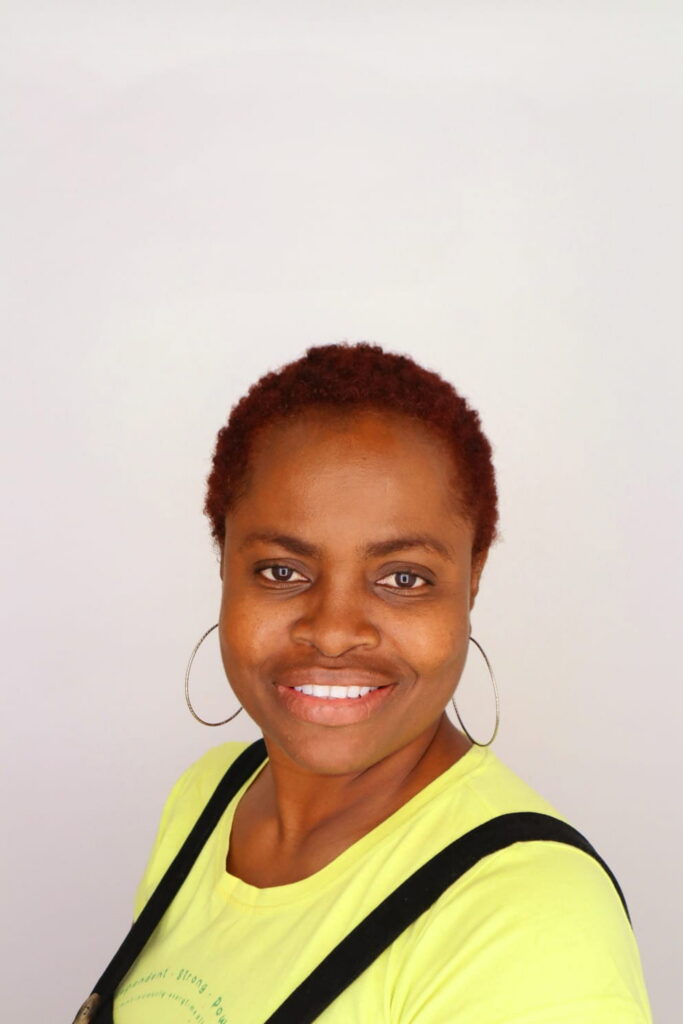
Felice Naomi Rosario Munroe is an advocate with the Survivor Advocacy Outreach Program (SAOP) in Athens, Ohio, where she provides trauma-responsive support and community education for survivors of domestic and sexual violence. She earned her Master of Arts in Latin American Studies from Ohio University, focusing on advocacy for women and girls, education, and violence prevention. Grounded in her lifelong commitment to advocacy, Felice works to build inclusive, survivor-centered spaces that foster healing and systemic change.